How to Avoid Excess Baggage Charges at Airports
Excess baggage charges can quickly turn an affordable trip into an expensive one. Many travelers only realize their bags are overweight when they reach the airport check-in counter, leaving them with limited options and unexpected fees. The good news is that with a little planning and smart packing, you can avoid these charges and travel with less stress.
Check Your Airline’s Baggage Policy Before You Travel
One of the most important steps is to review your airline’s baggage allowance before packing. Different airlines have different rules for checked baggage, cabin baggage, weight limits, and size restrictions. Budget airlines are often stricter and may charge extra for luggage that exceeds their limits. Always check the official baggage guidelines for your specific ticket type, as economy, business, and international fares may all have different allowances.
Weigh Your Bags at Home
Buying a small digital luggage scale can save you a lot of money. Weigh your suitcase before leaving for the airport so you know exactly where you stand. If your bag is close to the weight limit, remove a few items to stay safely under it. Even a difference of one or two kilograms can result in additional fees, so it is better to pack with a margin rather than aim for the exact limit.
Pack Only What You Need
Overpacking is one of the main reasons travelers face excess baggage charges. Try to pack versatile clothing that can be mixed and matched instead of carrying outfits for every possible occasion. Choose lightweight fabrics, limit the number of shoes, and avoid carrying items “just in case” unless they are essential. A packing checklist can help you focus on what you truly need and reduce unnecessary weight.
Use Lightweight Luggage
Sometimes the suitcase itself adds several extra kilograms before you even start packing. Hard-shell or older suitcases can be much heavier than modern lightweight luggage options. If you travel often, investing in a lightweight suitcase can make a noticeable difference and help you stay within airline weight limits without sacrificing the items you need.
Wear Your Heaviest Items
If you are carrying bulky shoes, jackets, or sweaters, consider wearing them instead of packing them in your checked luggage. This simple trick can reduce the overall weight of your bag and help you avoid extra charges. It is especially useful for travelers heading to colder destinations who need heavier clothing.
Make the Most of Your Cabin Baggage Allowance
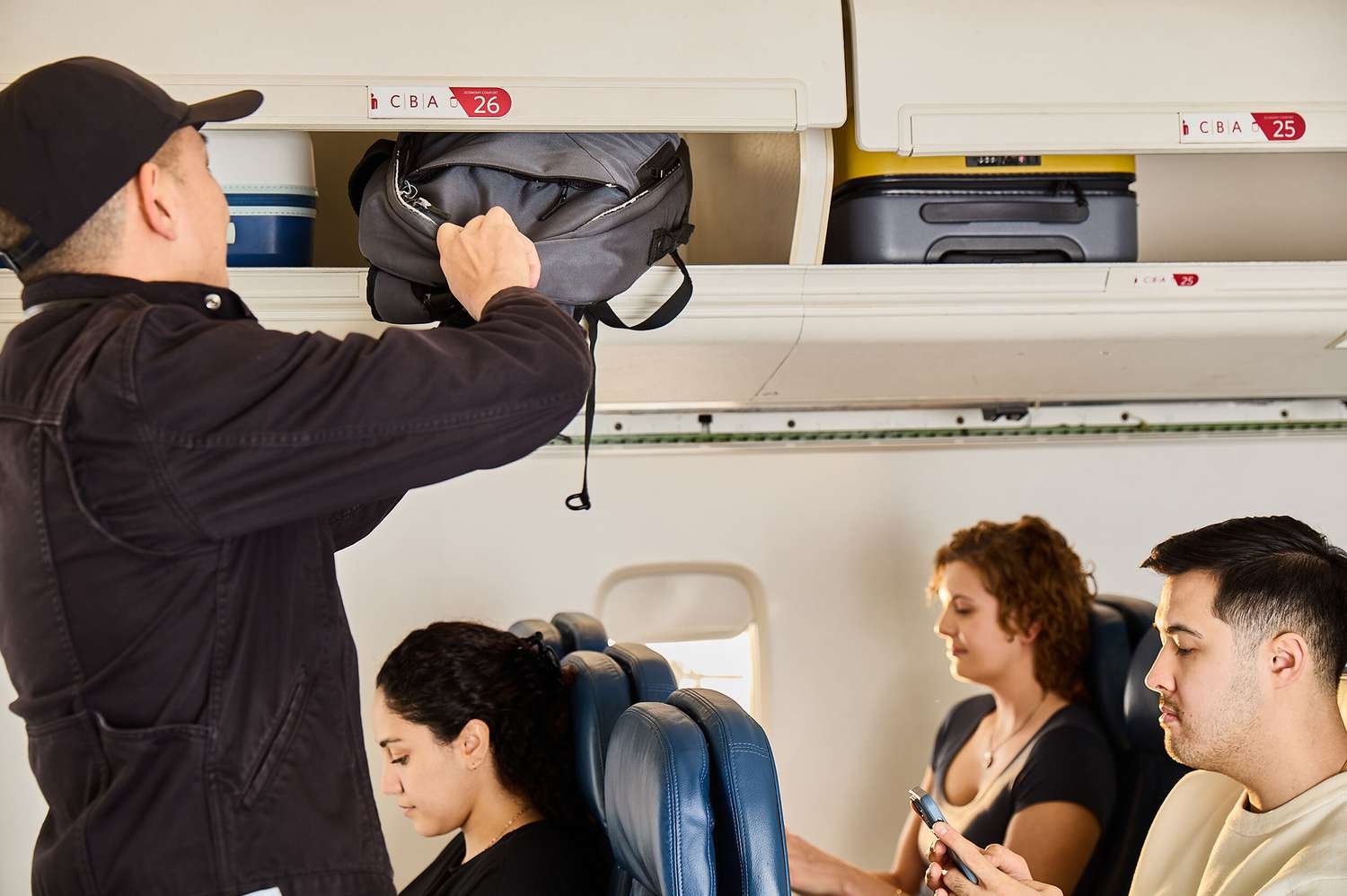
Many airlines allow passengers to bring both a cabin bag and a personal item such as a backpack or laptop bag. Use this allowance wisely by placing heavier but permitted items in your carry-on luggage. Electronics, chargers, documents, and a change of clothes can often be moved from your checked bag to your cabin baggage, as long as you still follow the airline’s cabin weight and size restrictions.
Distribute Weight Across Bags
If you are traveling with family or friends on the same booking, check whether your airline allows weight to be shared across multiple checked bags. Some airlines permit combined baggage allowances, while others apply weight limits per bag. If sharing is allowed, balancing items between suitcases can help prevent one bag from becoming overweight while another remains underpacked.
Prepay for Extra Baggage Online
If you already know you will be carrying more than your baggage allowance, it is usually cheaper to purchase extra baggage online before reaching the airport. Airlines often charge much higher rates at the check-in counter. Paying in advance not only saves money but also makes the airport process smoother and faster.
Avoid Packing Prohibited or Unnecessary Heavy Items
Travelers sometimes pack items that are either restricted or unnecessarily heavy, such as large toiletry bottles, extra gadgets, books, or duplicate accessories. Replace heavy items with travel-sized alternatives whenever possible. For longer trips, you can often buy certain essentials at your destination instead of carrying them from home.
Keep Souvenir Space in Mind
Many people pack their suitcases to the limit on the outbound journey and forget to leave room for shopping or souvenirs on the return trip. If you expect to bring things back, leave some extra space and weight allowance in your luggage. Folding an extra lightweight travel bag can also be helpful if your airline permits it.
Repack at the Airport Only as a Last Resort
If you discover your luggage is overweight at check-in, you may have to repack on the spot. This can be stressful, inconvenient, and embarrassing, especially during busy travel times. While moving items to your cabin bag may help in some cases, it is always better to solve the issue before arriving at the airport.
Final Thoughts
Avoiding excess baggage charges at airports is mostly about preparation. By checking baggage rules, weighing your bags in advance, packing efficiently, and using your cabin allowance smartly, you can save money and enjoy a smoother travel experience. A little attention before your trip can prevent surprise fees and make your journey far more comfortable from the very beginning.